

Important to know
This website presents the collective knowledge of all the experts who have worked on the Volunteer’s Manual. So, here are some important tips that will save you time and money, as well as protect you from stress.
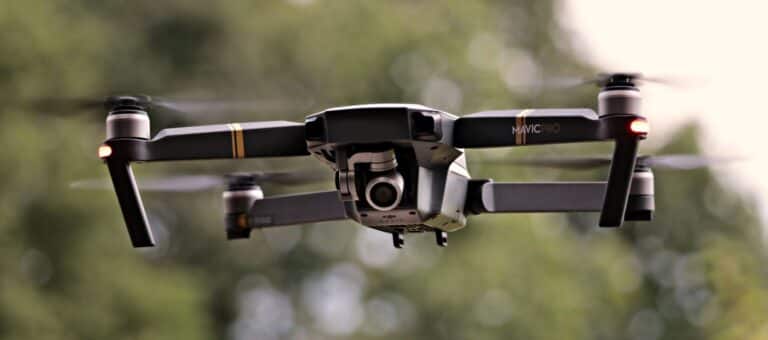
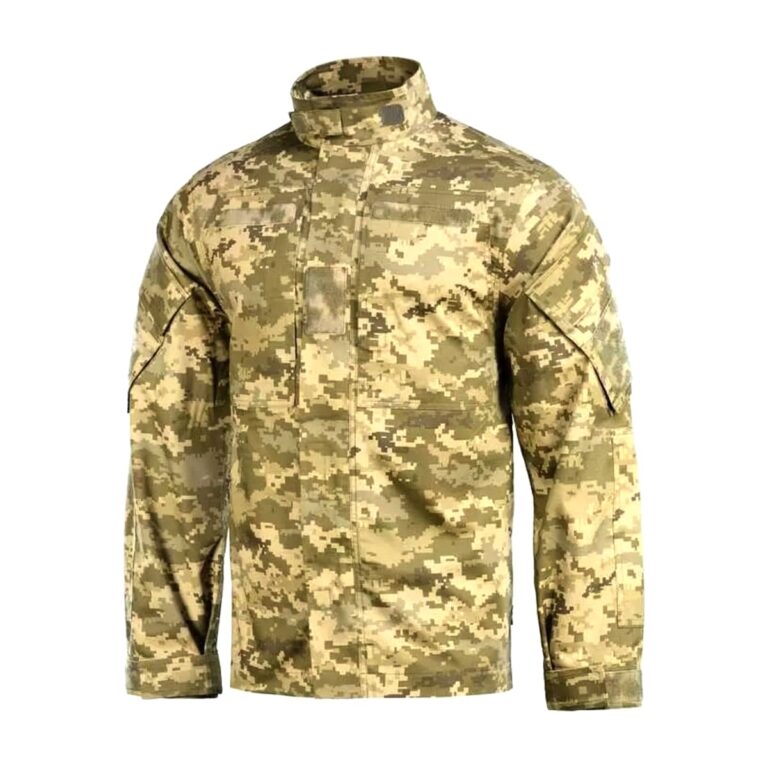
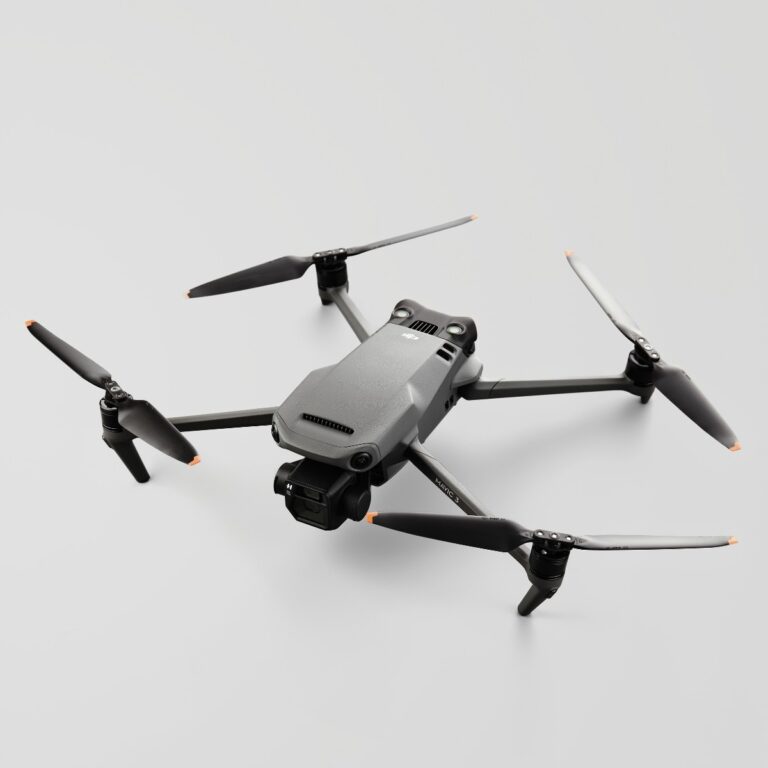
There is no shame in not knowing something. Until February 24, 2022, most Ukrainians did not have an urgent need to distinguish a Mavic 3 drone from an Autel EVO II or a pixel camouflage from a British Multicam. The war forced us all to figure out what the army and our defenders might need. So, every day brings us new knowledge and experience.
It is better to ask and re-ask the fighter what his exact needs are than to spend money on the wrong item. The best option is for the soldier himself or his commander or an experienced comrade to indicate a specific model of the necessary item. Requestі like “Buy some night vision gear!” or “We need boots!” are the perfect example of poorly formulated requests!
Please, do not rush to the nearest store and buy everything that the newly mobilized soldier requested. Most of the priority items will be given to him/her, if not on the first day, then in the coming weeks. Sometimes some items are not provided within the training unit, but he/she will receive them upon arrival at the permanent military unit. No one will be sent into battle without a weapon, helmet, body armor or plate carrier, etc. According to our experience, a fighter who has just been mobilized often starts asking his family and friends to send everything at once. After a few weeks, that “wish list” gets smaller and becomes more rational.
Training and subsequent stay in combat conditions provide invaluable experience. Therefore, each fighter gradually begins to understand what kind of belt is more comfortable for his assault rifle; how many pouches he is comfortable with on his Load Bearing Equipment; whether he is comfortable wearing knee pads or is more mobile without them; what kind of helmet fits him best, etc. So, let him understand his actual needs and then help him with the purchase.
Always ask in which unit the fighter serves and what position he/she holds. You don’t need to know any military secrets: where this unit is located, what weapons it has, and how many missiles it has. You need to understand what is best for a particular fighter. Of course, there are general needs (uniform, socks, underwear, shoes), but a tanker does not need to buy things needed by a machine gunner, and what a miner really needs, a drone operator does not need at all.
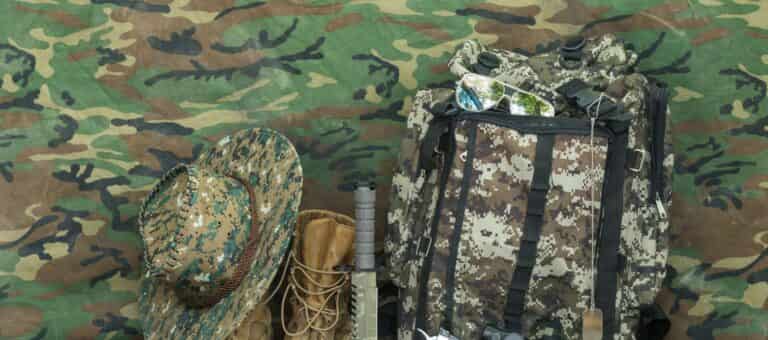
There are regulations for army clothing, and this must also be taken into account. The color of the everyday uniform of a National Guardsman is different from that of a sailor of the Sea Guard. Please keep that in mind.
Ask for exact measurements of clothes, shoes, and headgear. Different uniform items have different size guides. So, it is better if a fighter measures himself/herself. Believe us, even in combat conditions, one can find a standard object with which to measure the length of a boot or the waist circumference. There is no need to explain how uncomfortable tight, or vice versa, too big shoes or clothes are.
Quality! Quality is the most important criterion!!! Do not buy cheap things. A low-quality pouch will come off at the most difficult moment of the battle… A cheap tourniquet that your friend will rely on will not be able to stop the bleeding after an injury… In combat conditions, all items are used in extremely difficult conditions and must withstand excessive loads.
Please, do not hesitate to check suppliers. Unfortunately, there are those who are trying to cheat or just make money on the war. Therefore, it is preferable to deal only with trusted suppliers. If possible, transfer money after receiving the order and checking its quality.