

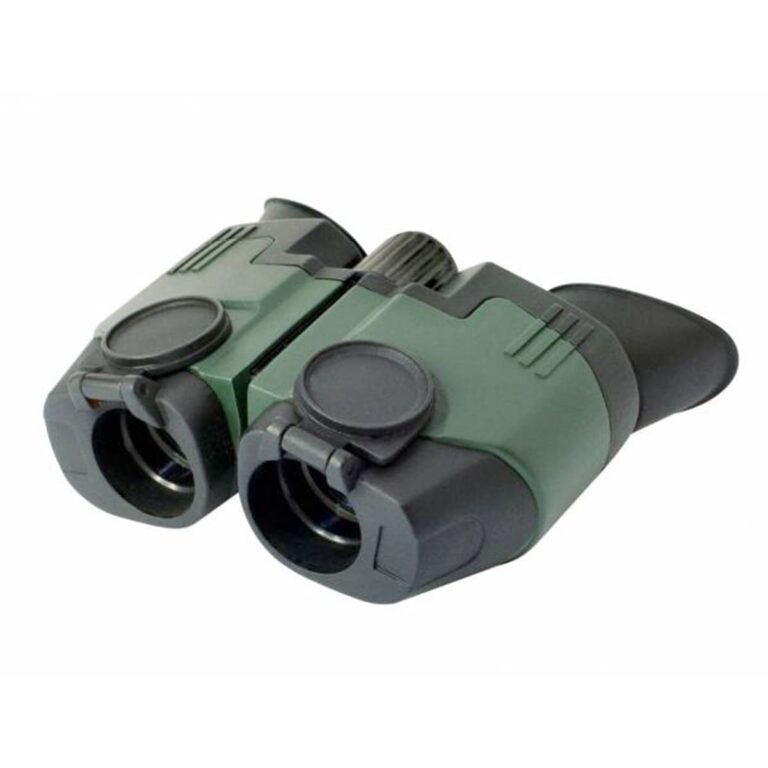
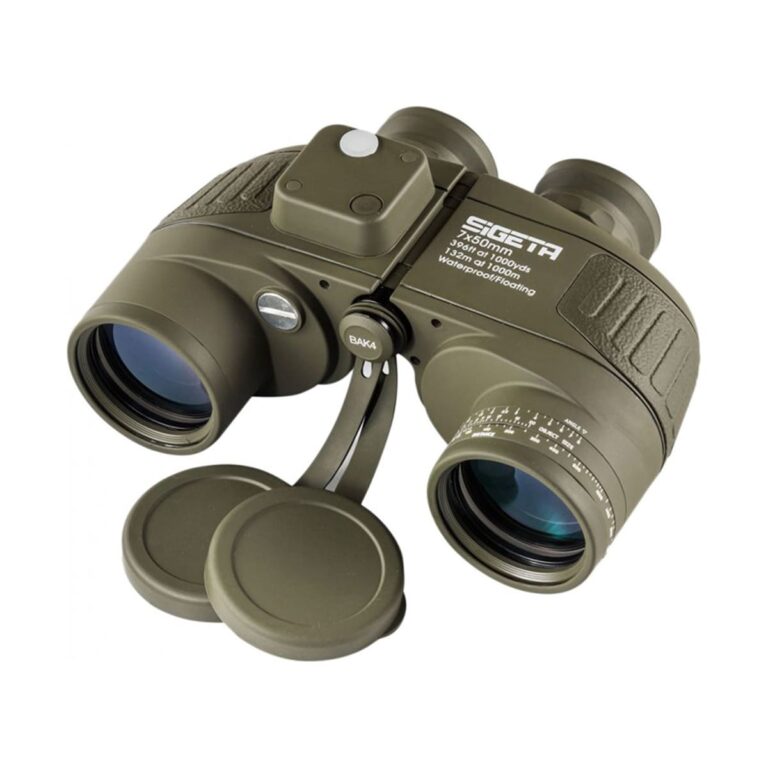
There are several key characteristics to look for when choosing an optical device:
- multiplicity, i.e. magnification
- light intensity
- anti-reflection coating
- nitrogen filling
- Magnification (multiplicity)
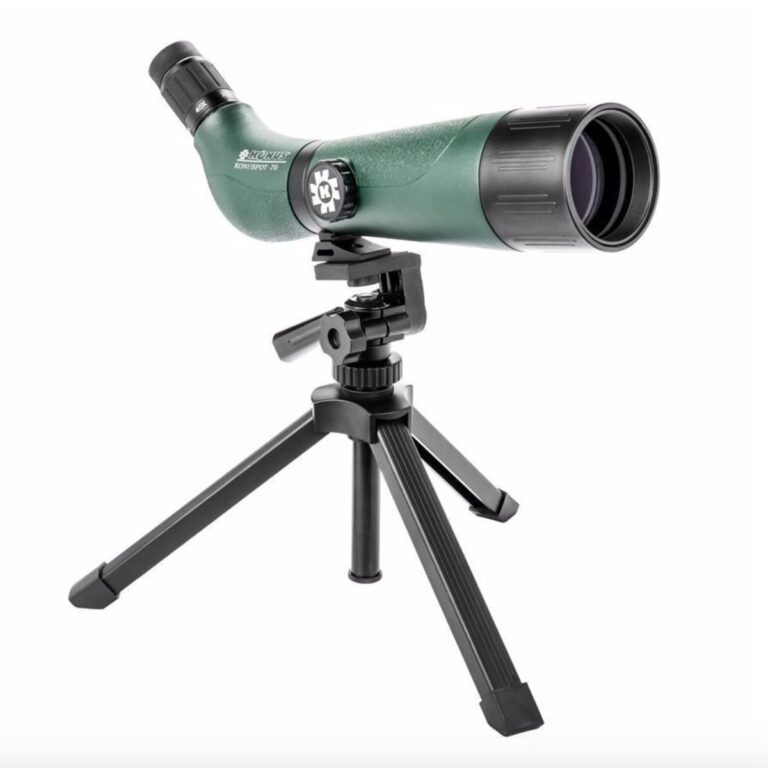
The greater the magnification, the greater the distance at which an object can be seen and identified. However, at high magnification, the field of view is significantly reduced, target search becomes more difficult, and it is sometimes impossible to observe a moving target. At a magnification of more than 10, observations should be made with binoculars, a telescope, or an optical sight using a stand or tripod. When observing by hand at high magnification, it is almost impossible to hold the optics steady on the target.
For long-term observation of ground, surface, or air targets, the optimal binocular magnification is 6-8, depending on the specific task. For example, for air defence calculations, a magnification of 7 is required. If you need to observe at a long-range, monoculars or telescopes with a magnification of 12 or more are used. In this case, a stand or tripod is required.
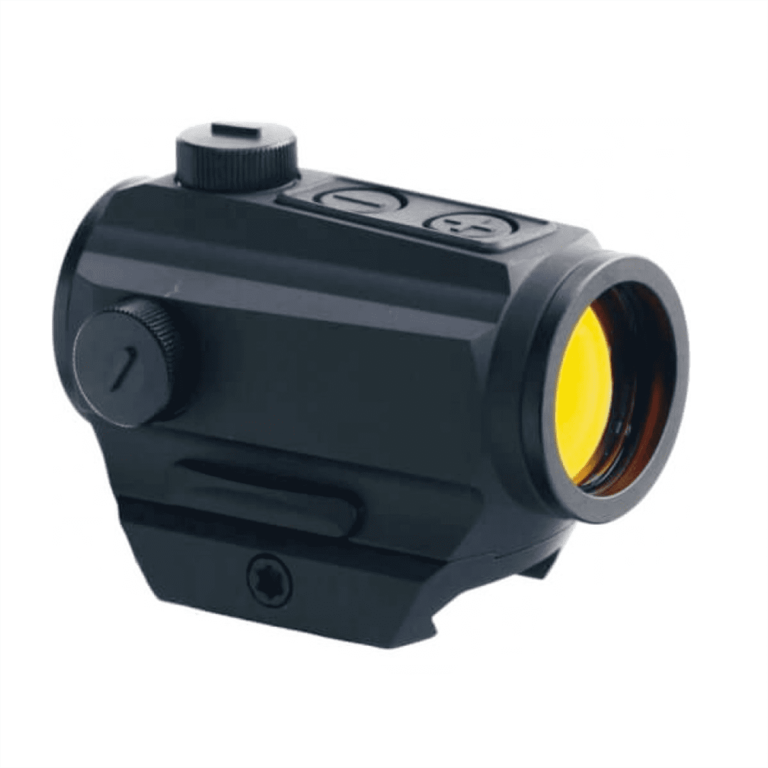
In optical sights, the magnification depends on the type of weapon and specific combat tasks. The most common are optical sights with a magnification of 2.5 to 7. Collimator sights have a magnification of 1-1.5 and are not intended to magnify the image, but to quickly aim the weapon at moving targets, including for advanced shooting.
If the optical device has a higher magnification, you need to pay attention to some details. For example, observation tubes are used only from a stable position. At close range, every touch of the tube or gust of wind disrupts the observation. It is advisable to conduct combat work from a place that is protected from wind and any vibrations. To work with such devices, it is advisable to purchase a stable and high-quality tripod separately.
Luminous intensity
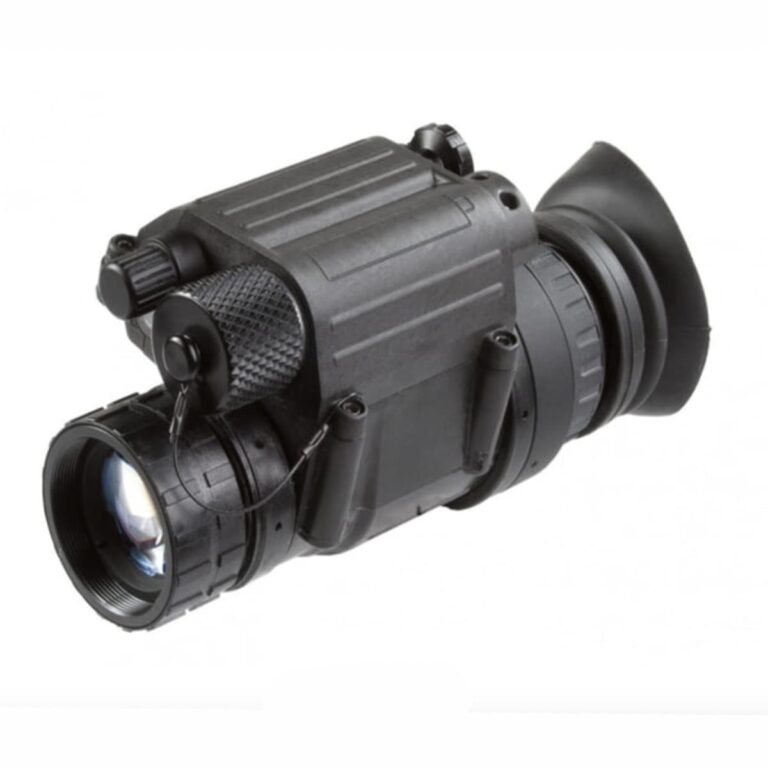
The bigger the lens, the more light it receives. More light means a better picture. But devices with high aperture have a much larger weight and dimensions, so they are used for stationary posts or groups with transport. Those who do a lot of walking (Special Operations Forces, reconnaissance, sabotage groups) need small and lightweight optical devices. The priority here is not the aperture, but the weight, so for such units it is better to choose binoculars and monoculars with low aperture, but with small dimensions and weight.
Anti-reflection coating and nitrogen filling
Anti-reflection coating is a specialized lens coating that allows the military to better see and identify objects in difficult conditions. Modern “twilight” anti-reflection coating of binoculars, spotting scopes and optical sights allows you to detect and track targets in low light conditions, including in the morning and evening. Thanks to the nitrogen filling of the body, the optics of the binoculars, telescopes or scopes do not fog up, and the soldier can observe even in the rain or fog.
Thermal imaging cameras
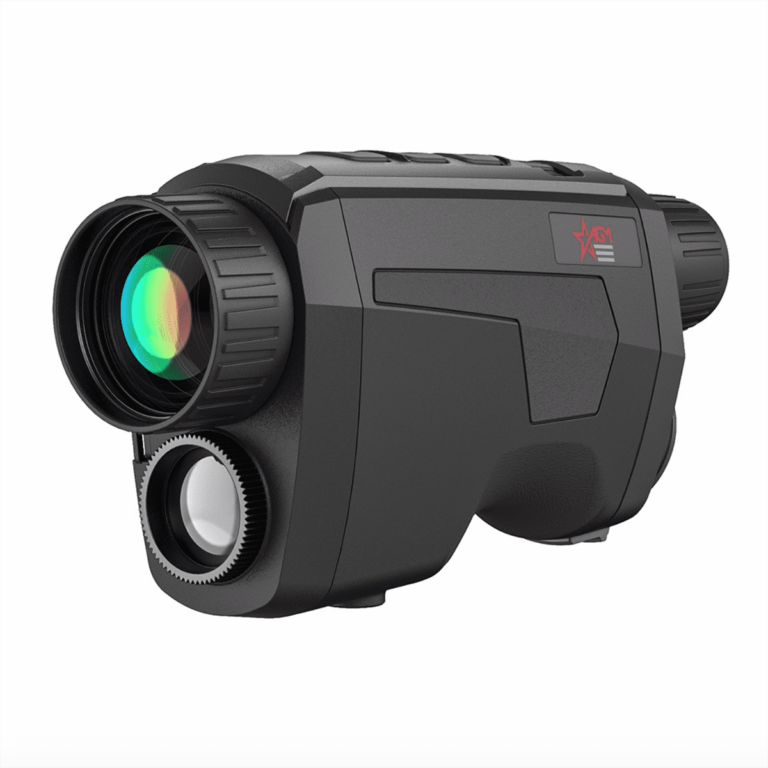
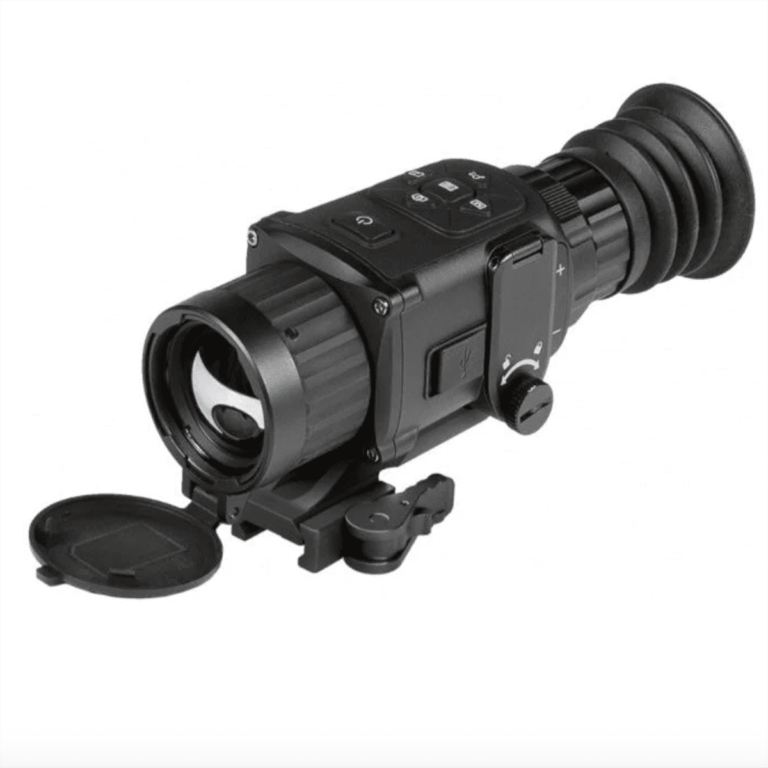
The key characteristics of a thermal imager are the aperture of the lens and the resolution of the sensor. The larger the diameter of the lens, the more heat from each object will be transmitted to the thermal imager. That is, with a large lens diameter, people and equipment can be seen at greater distances. At the same time, thermal imagers with large lenses are more expensive and weigh more.
The higher the resolution of the thermal imaging sensor, the better the picture and the smaller the size of the heat-emitting object can be detected. But remember: the higher the resolution, the more expensive the thermal imager. For most applications, a resolution of 384×288 and an aperture/lens diameter of 35 mm are optimal.
Driving vehicles at night
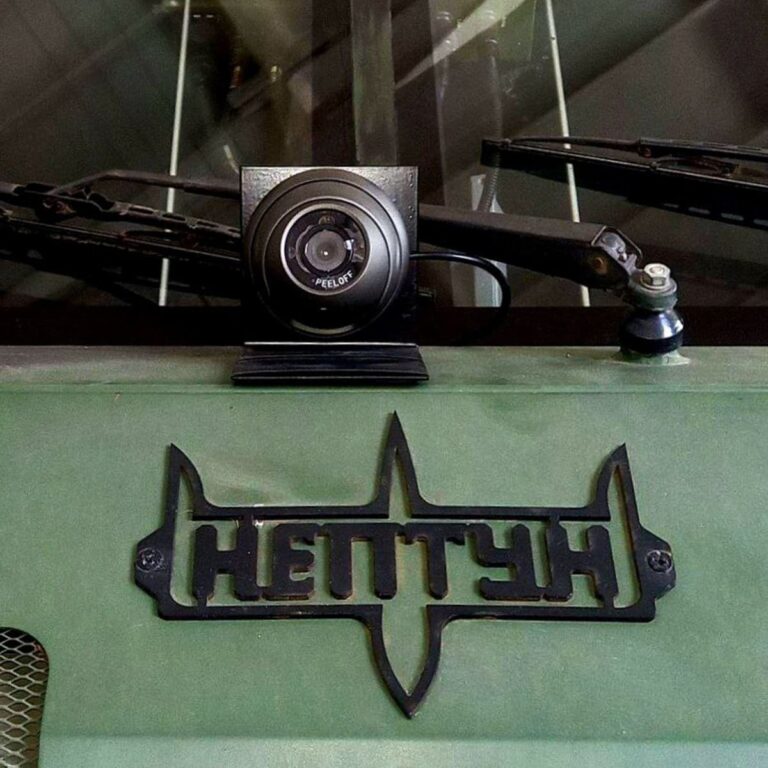
Night driving kits allow you to drive with the lights completely off. The camera is mounted on the roof of a car or armored vehicle, and the camera image is displayed on a monitor in the driver’s cab. Infrared LEDs invisible to the human eye are used to illuminate the road. Usually, the illumination area roughly corresponds to a dipped beam. Important features of the monitor are the ability to reduce the brightness of the image to almost zero, the presence of a visor to prevent glare on the glass and high resolution. This means that the device can be used in complete darkness for a long time without the risk of being detected by the military. Usually, it takes two to three hours for a driver to get used to the kit and learn how to operate it.