


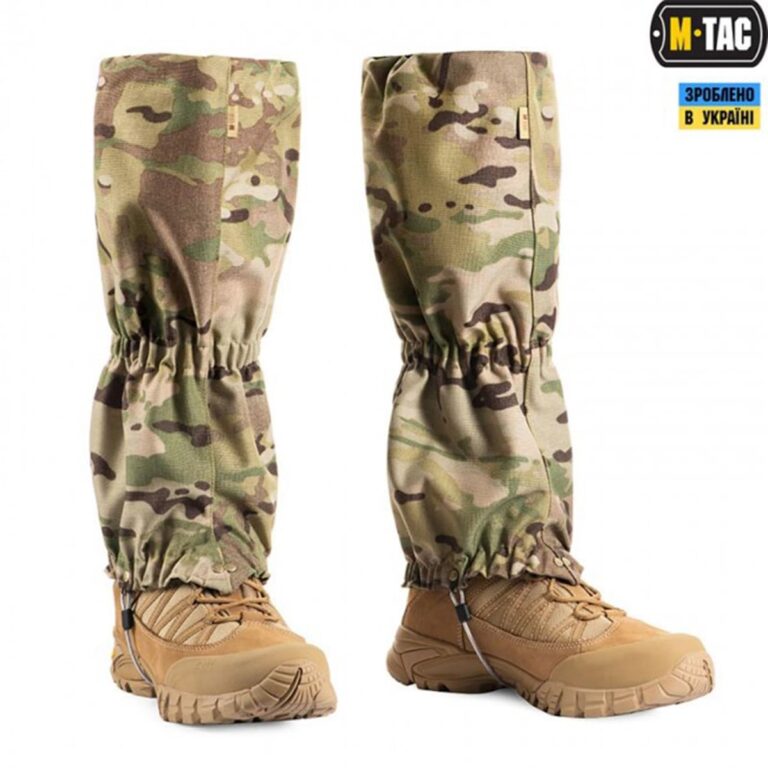


Tactical footwear is, first of all, safety, comfort and reliability. The most common types of footwear in the military today are army boots, tactical running shoes, as well as tactical sneakers in the Navy.
The upper part of such shoe models is made of natural materials (leather, nubuck, suede) with special impregnations that protect against moisture and chemical influences. In summer models, inserts made of special non-woven materials (for example, Cordura) are used, which combine durability, flexibility, and resistance to environmental influences. In the manufacture of tactical footwear, special membranes (for example, GoreTex) are widely used, ensuring water resistance, removal of excess fluid from the skin, i.e., its “breathing”. In many models, additional strengthening of zones bearing a significant load – toe, heel – is used.
A special feature of the army boots is the height of the bootleg; the prototype was designed during World War II to protect the ankle joints of paratroopers. Depending on the season, models can be winter or summer. Winter footwear has insulation made of natural and synthetic materials and can be used up to a temperature of -20C; in summer models, a special strong mesh and a network of eyelets f are used for ventilation.
How the boot is fixed on the foot matters a lot. It is necessary to pay attention to the number of holes for lacing, the boot tongue, which allows to get a tight fit and at the same time protects the skin. It is clear that the quality of fittings and laces is of great importance.
The importance of a quality sole cannot be overestimated. It should be flexible and firm at the same time. Modern materials and a specially modeled tread pattern provide reliable grip on different soil types and prevent slipping.
The quality of the insoles is also important. It is perfect when the insole reproduces the anatomical relief of the foot, has antibacterial properties and insulation (for winter models).
Kevlar insoles are often used to prevent puncture.