

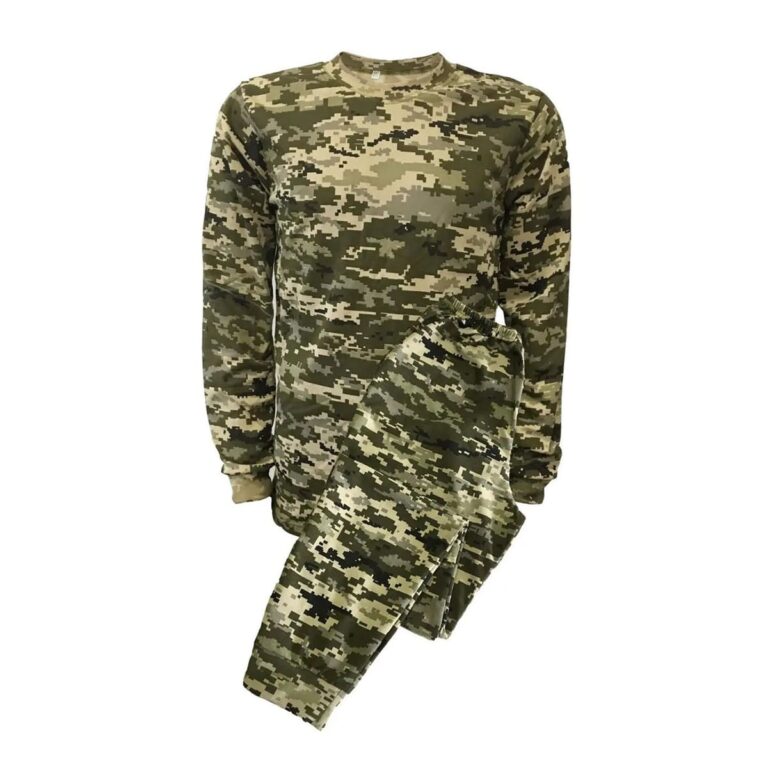


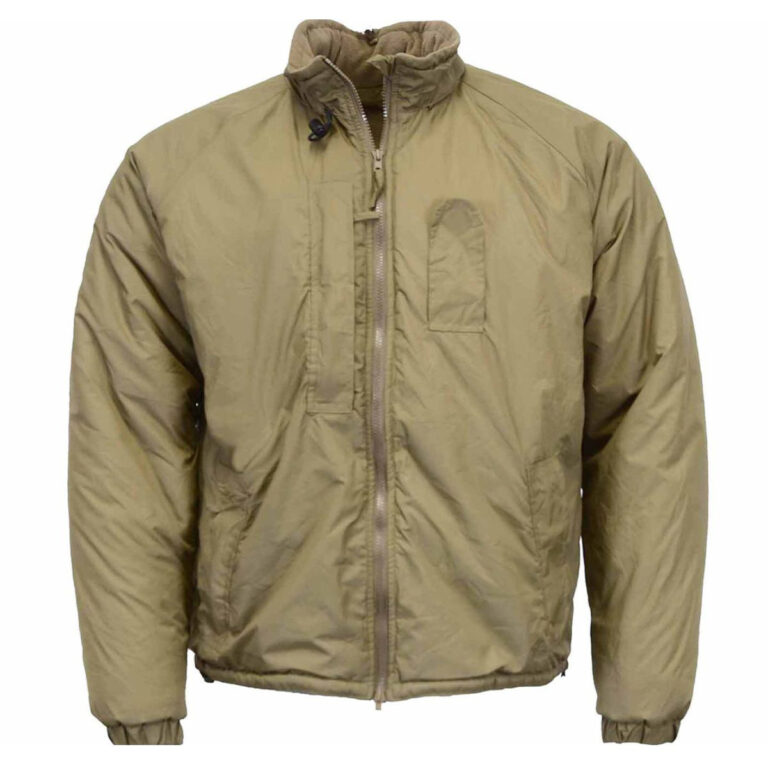
Winter clothing is an indispensable attribute of the uniform for any military. Winter clothing prevents a soldier from freezing in the field conditions while performing a combat mission, being on duty, etc. Often, this task is solved by layering clothing, for example: thermal underwear; thin fleece; wind and waterproof suits. Or: winter undershirt and underpants; insulating suit (reversible PCS suit); “parka”. Or: thermal underwear; fleece; a jacket and insulated trousers.
The components of winter military clothing use Ukrainian pixel MM14 (statutory) camouflage as the top layer, and MTP and varan patterns are also allowed.
The main criteria to consider when purchasing winter clothing for the military:
- Thermoregulation. This criterion is perhaps the most important when choosing this type of clothing. Elements of military clothing should warm the soldier and keep his body warm both at the most extreme low temperatures and in moderately cold conditions. Such material can be, for example, high-quality fluff or wool that fills special underlayment for uniforms. At the same time, winter clothing should not contain materials that lead to sweating during active operations, which can further negatively affect the soldier’s comfort and health.
- Comfort in use. The clothing should be too tight around the soldier’s torso or limbs, but it is also important that there is not too much room under the clothing where cold air can get in.
- Material technology. It is important for this category of clothing to have high-tech fabrics that do not allow moisture or cold air to seep in and prevent membrane wear. These are usually fabrics with water-repellent and wind-repellent properties. Equally important in this criterion is the wear resistance indicator because in cold temperature conditions, a low-quality fabric will be more likely to be subjected to intensive wear, especially when performing combat missions.
- Sizing. When buying winter clothing, pay special attention to the sizing system as it may differ depending on the country of manufacture. It is best to have the exact measurements of the soldier (chest, height, waist).