
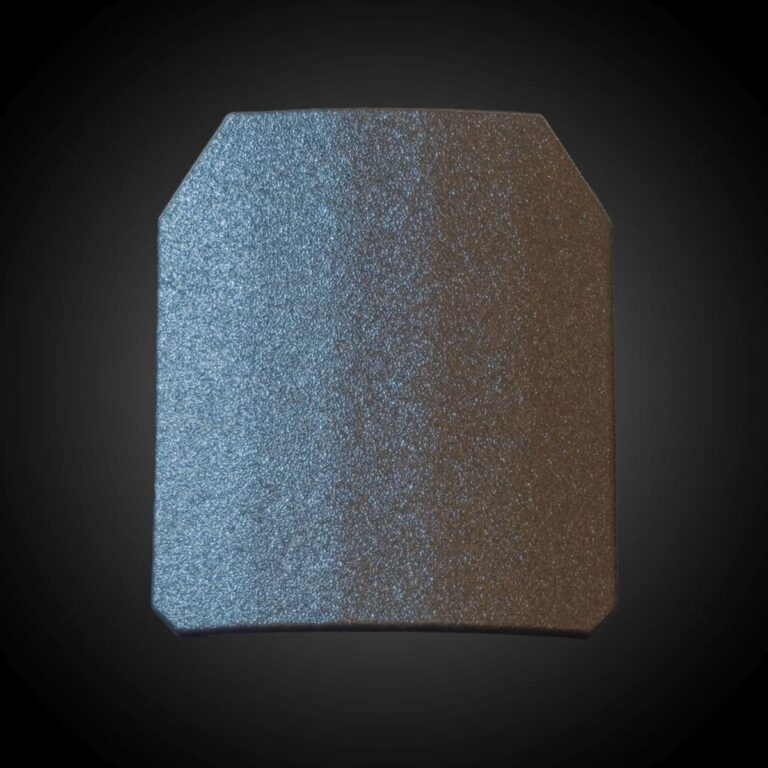
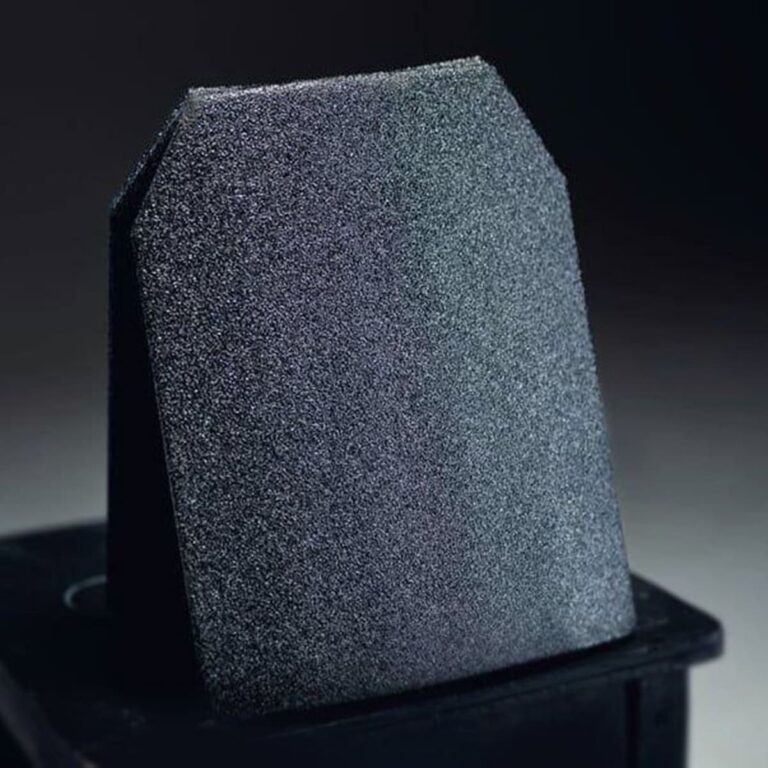

Almost 90% of body armor used by the Ukrainian military is equipped with steel plates. A strong argument is that steel is better able to withstand bullet hits, as they “get stuck” inside the armor. However, there are important nuances to consider when choosing such a plate.
Metal quality
You can count on reliability only if you are confident in the quality of the metal itself. You can choose a manufacturer by making sure they have quality authentication certificates.
Compliance with DSTU
The fact that a vest belongs to a certain level of protection means that the plate must be able to withstand damage from bullets of a specific type. For those who are on the first and second front lines, it is advisable to use body armor of at least class 4-5.
The presence of seals
The plates must have an additional layer of special felt that prevents ricochets and retains bullets.
Before using a steel plate, it must be “fired” in conditions as close to field conditions as possible. Usually, at least three shots are fired with different types of ammunition, and only then does the product get the green light.
The main disadvantage of steel plates, despite their fairly high efficiency, is their weight, which sometimes reaches 8-10 kg, which quickly exhausts the body and makes it impossible to carry them constantly.
Recommended models of steel plates: VELMET-ARMOR 4 R.V.K.P.N.X. armor plates; Lightweight armor plate, Patriot Arsenal, 25×30 cm; Armour plate of the 4th protection class (according to DSTU B 4103-2002).


