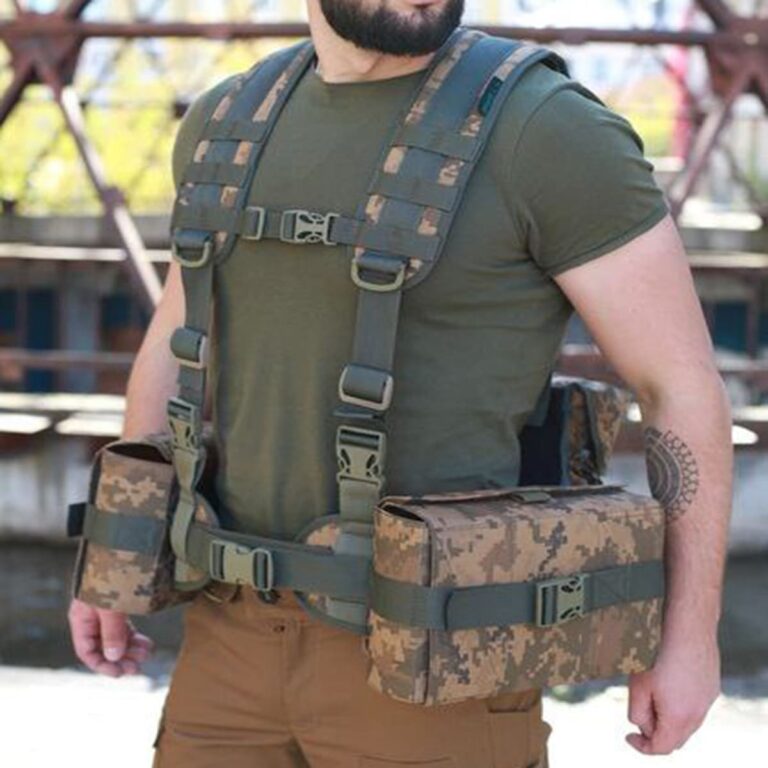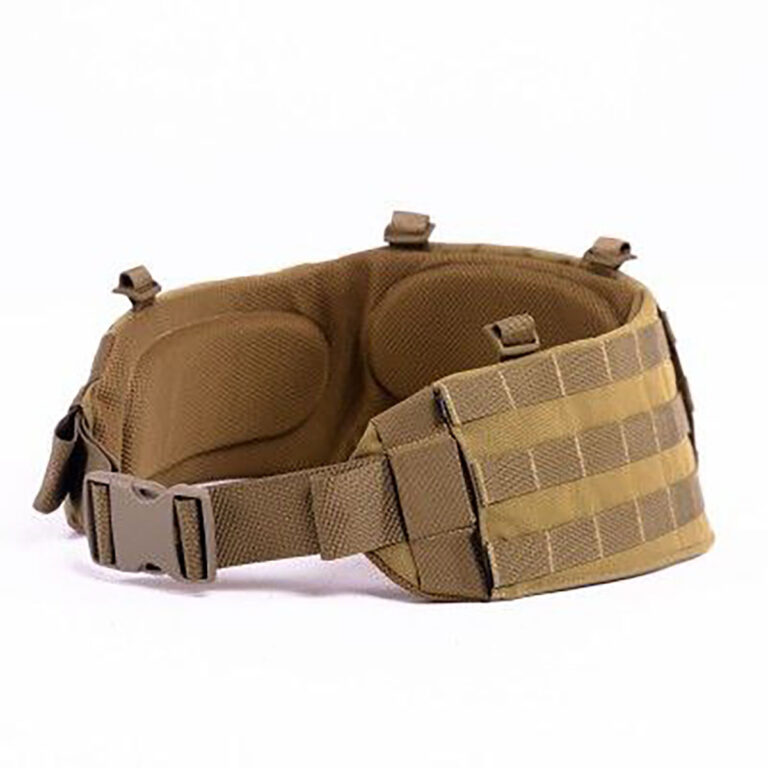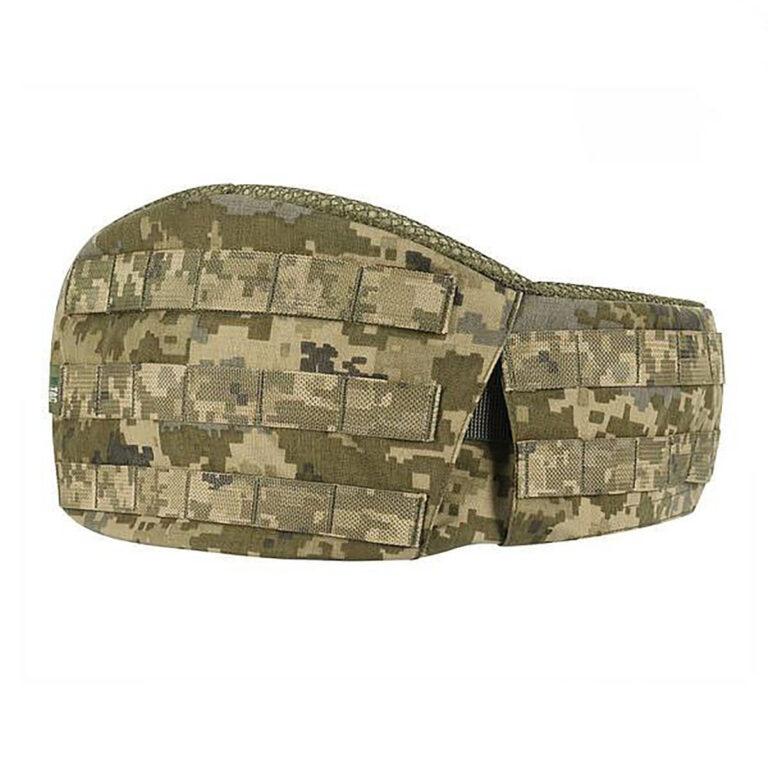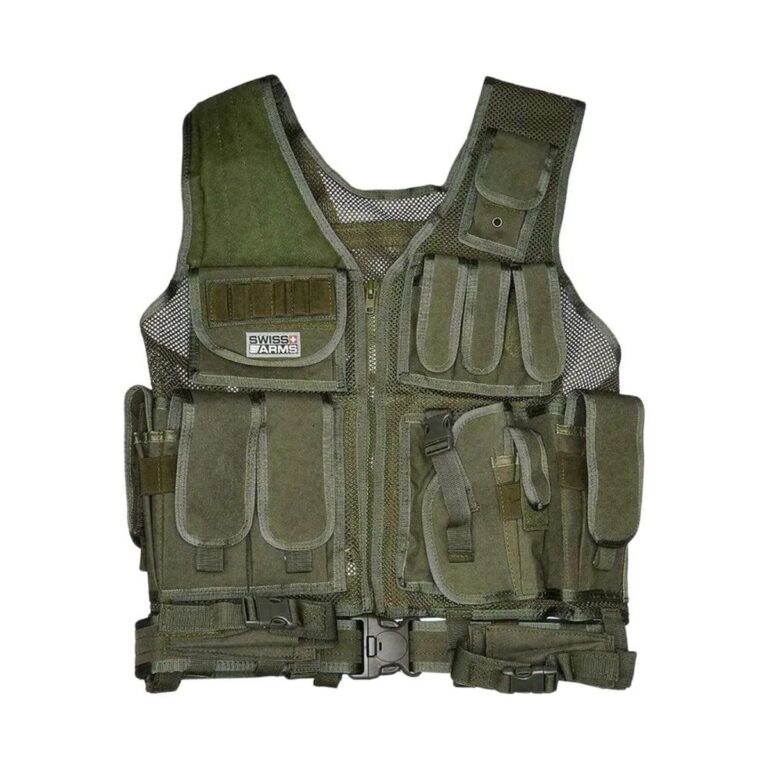
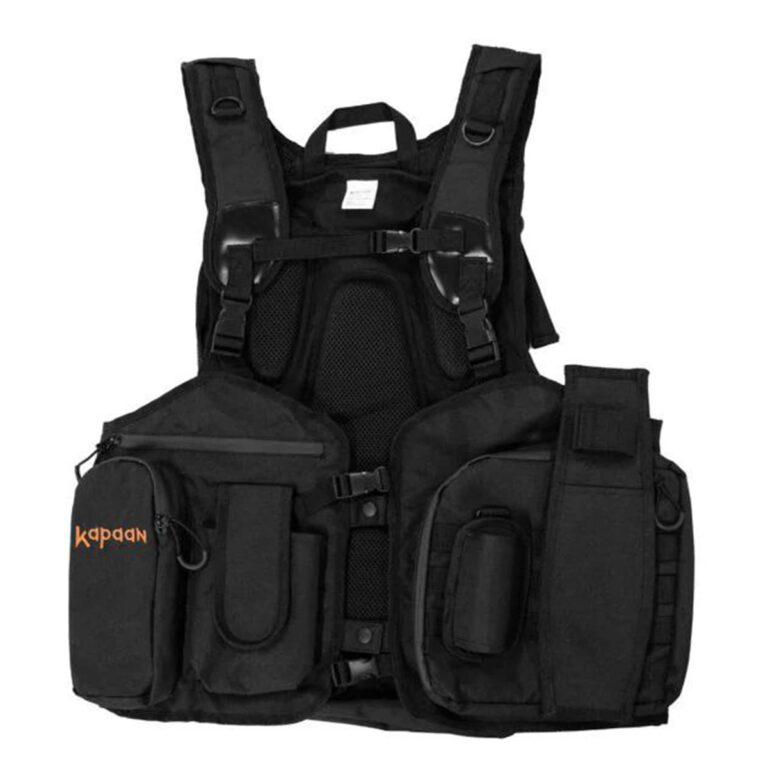
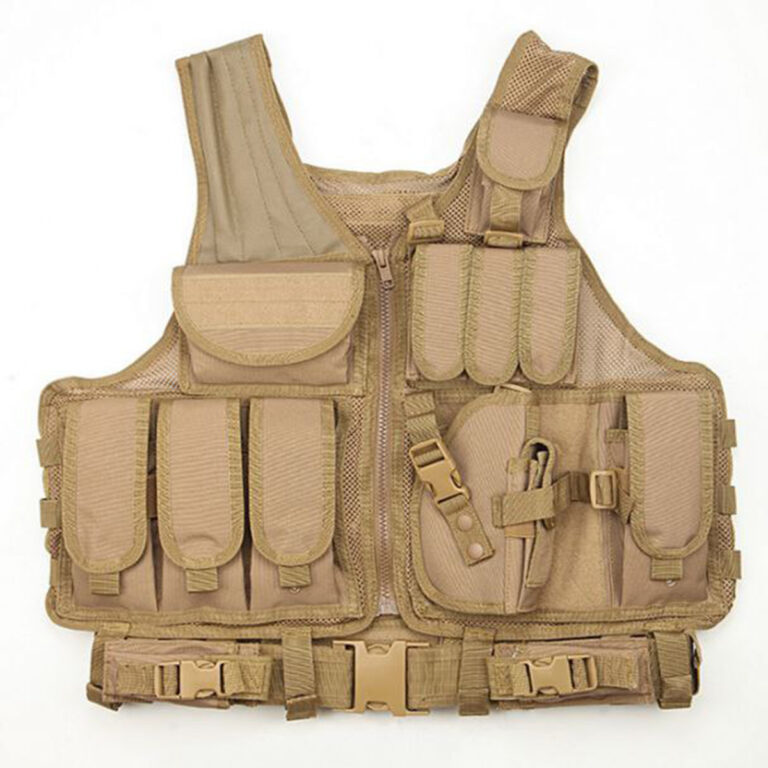
In addition to the shoulder harness, there are two other types of load-bearing equipment: a vest and a breastplate. Their main task is to make sure that the soldier can quickly use what he needs in a particular situation. Ammunition, grenades, a first aid kit, a flask – thanks to these items of equipment, they are always at hand.
Why was the load-bearing vest developed?
At the beginning of the Second World War, the massive introduction of automatic weapons began, and this entailed a huge consumption of ammunition. The conventional LBE could no longer meet the needs of soldiers, especially in airborne units where soldiers had to carry other types of weapons. The change in the type of weaponry of soldiers, especially in special forces, was the main reason for the development of load-bearing vests. Italy, followed by Britain, made the first samples, but these vests were not perfect, and they were quickly forgotten. But later, the Korean War, followed by the Vietnam War, helped to bring vests back into the equipment. Over time, the vests were improved based on military experience and gradually modernized.
Load-bearing vests are one of the most popular items of equipment for the National Guard, National Police, border guards, Security Service of Ukraine operational units, etc.
Almost every army in the world has several types of load-bearing vests, depending on the units where they are used. Before you buy a load-bearing vest, you need to understand what type of vest your soldier needs.
Unloading vest
This is a classic vest. Today, two types are manufactured:
This is a direct descendant of the ChiCom, which was invented by the Chinese (hence the name ChiCom – Chinese Commie, Chinese Communists) and used during the Vietnam War. Modern chest systems are modular, i.e. equipped with the MOLLE system, which allows the pouches to be hung wherever the soldier is comfortable.
The vests come in different colors that match the color of the main camouflage of the uniform.
Recommended models: Swiss Arms, Action Union.