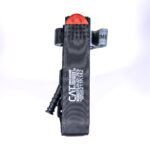
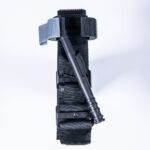
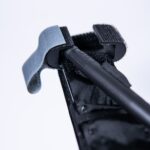
In medicine, a tourniquet is a device that allows to stop the blood flow quickly and effectively for some time. Modern tourniquets are produced in industrial volumes and are actively used to provide first aid in combat conditions and in situations where there is a risk of mass casualties.
Important: there are many different modifications available today, not all of which are of high quality. At the same time, tourniquets are much more expensive when compared to arterial tourniquets. In addition, it is important to be able to apply a tourniquet correctly. Despite this, the undoubted advantages of this type of tourniquet are high resistance to harmful and destructive environmental factors, the ability to apply over clothing, controlled compression and release, and one-handed use.
Tourniquets are available in several colors: black (and its darker shades), dirty green (olive), sand (coyote) for the military, blue, orange and less commonly grey and yellow for peacetime.
There are several requirements for a tourniquet.
The main ones are:
Additional:
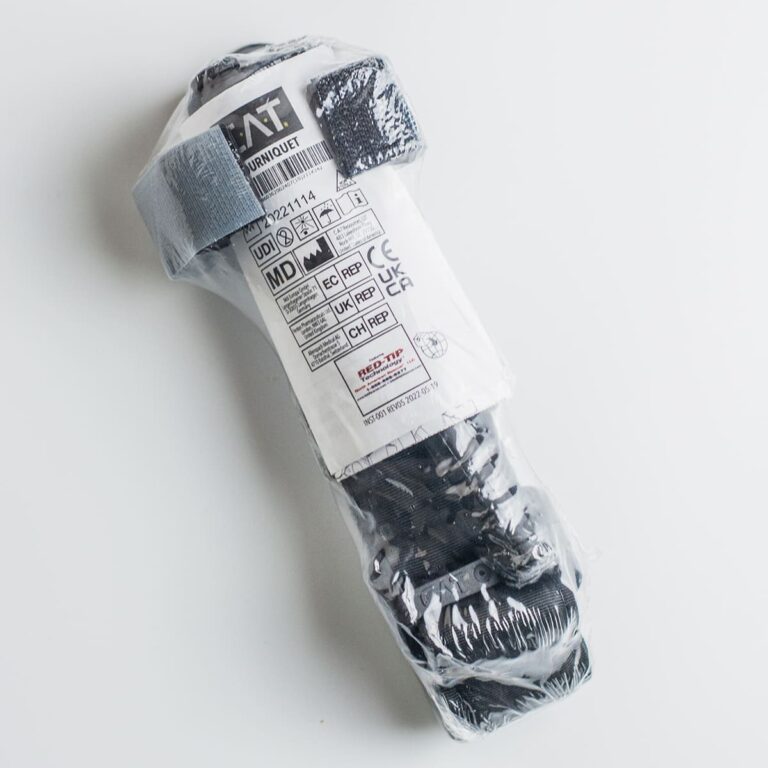
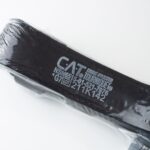
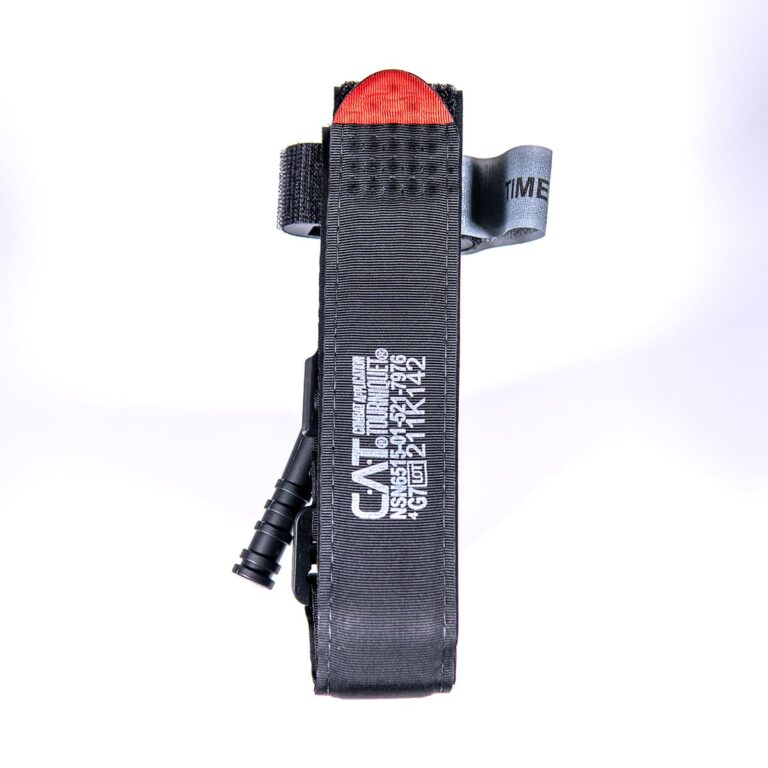
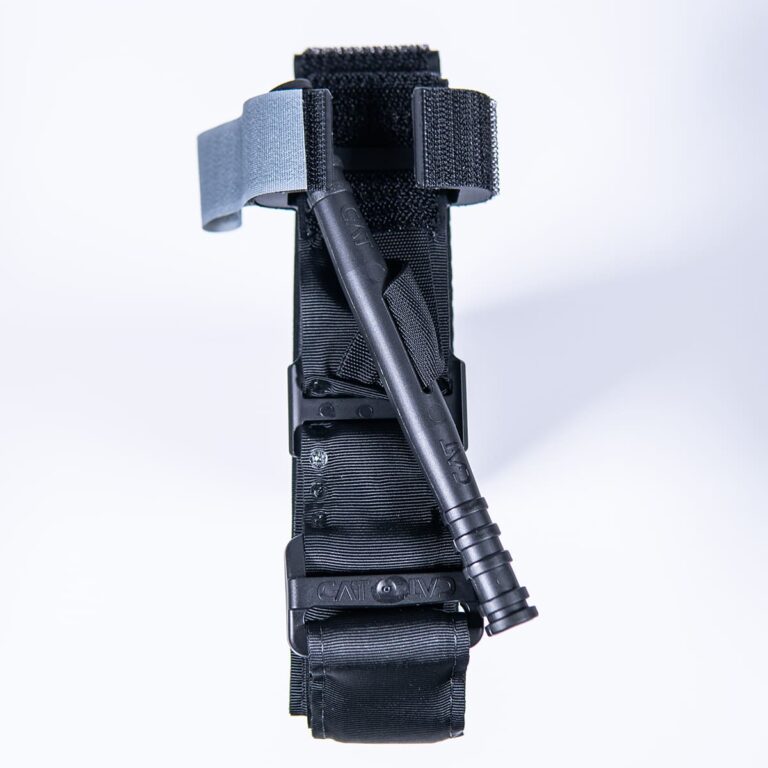
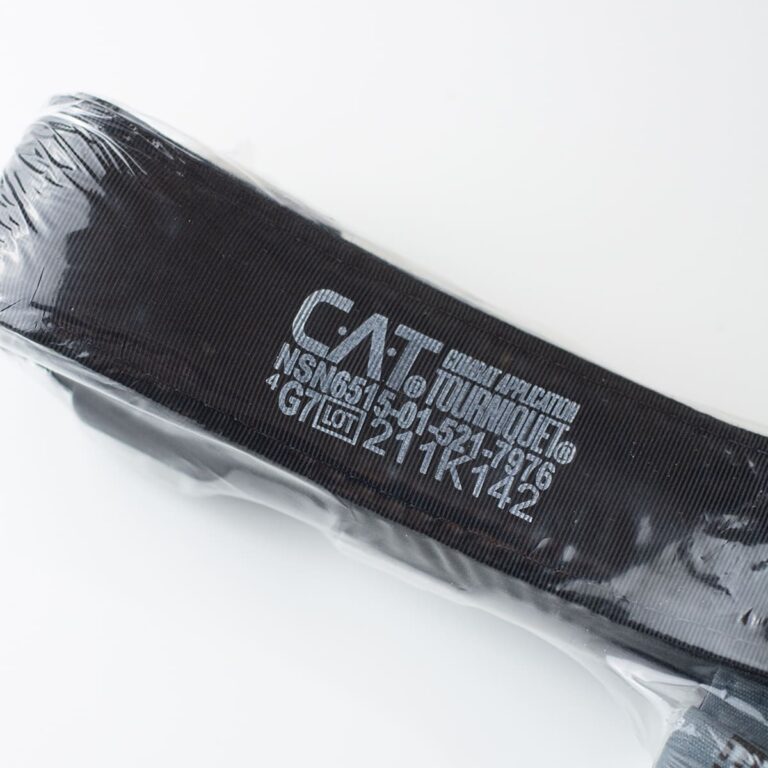
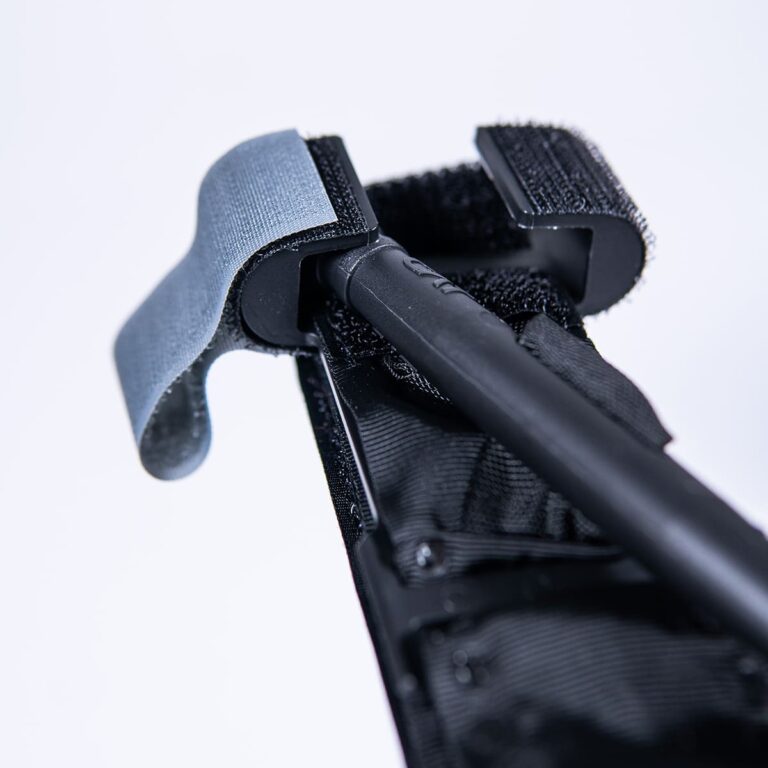
A bleeding control tourniquet is an important medical device that can help provide emergency medical care and save the lives of the victims. That is why we recommend the CAT (Combat-Application-Tourniquet) Generation 7, which has passed many tactical and medical tests and proven itself in combat conditions.
Other known counterparts include the SICH (Ukraine), SAM Tourniquet manufactured by TacMedSolution (USA), and Dnipro (Ukraine).