
Severe bleeding is defined as bleeding that is life-threatening. It can be arterial, venous, or with simultaneous damage to arteries and veins.
Severe bleeding is characterized by the presence of at least one of the following signs:
- pulsating nature and constant flow of blood from the wound;
- rapidly growing blood pools on the surface where the victim is lying;
- intensive blood soaking of clothing or bandages applied to the wound;
- partial or complete amputation of a limb;
- complete or partial loss of consciousness along with bleeding.
Rapid detection of severe bleeding reduces the time to stop it, reduces the likelihood of shock and creates the preconditions for saving lives.
Massive blood loss and shock were the main causes of death for 80-90% of the wounded. The injuries that occur in modern armed conflict areas significantly limit the time for providing first aid on the battlefield. Death occurs from several tens of seconds to one hour.
To prevent death from severe bleeding, a tactical first aid kit should contain:
- Disposable nitrile gloves of non-black color.
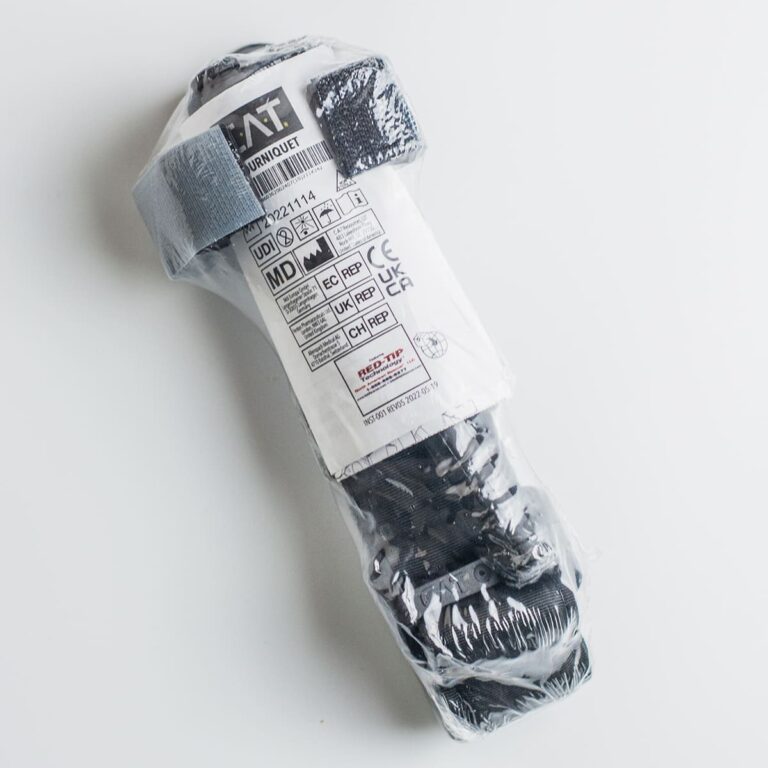
- A tourniquet (bandage) for stopping bleeding C.A.T. – Combat Application Tourniquet (it is advisable to have three tourniquets – one in the first aid kit, one outside, on the first aid kit itself or on ammunition, in a place designated for all soldiers of the unit, and the third for training (to develop skills)).
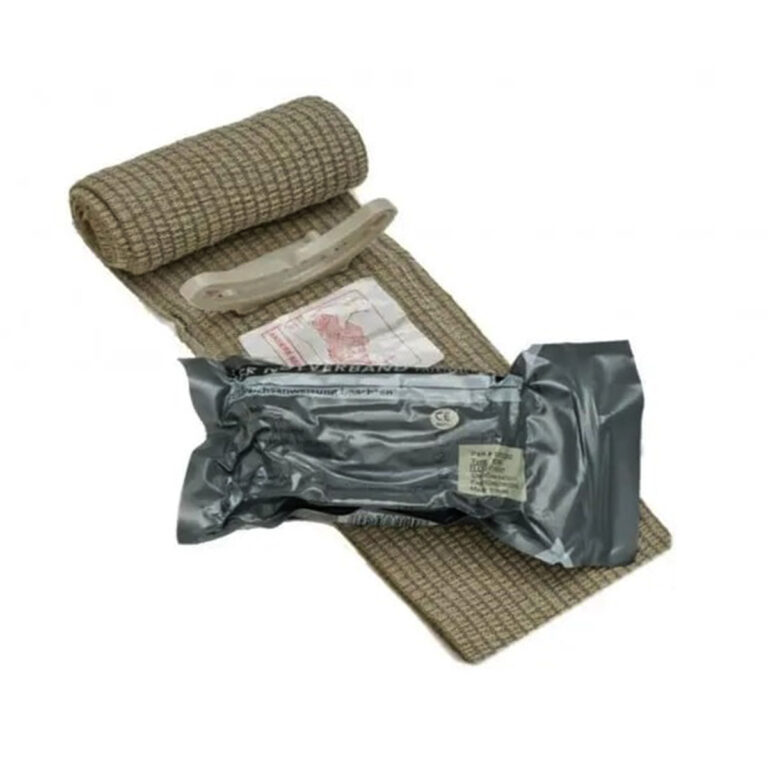
- Israeli bandage – a modern first aid bandage – The First Care Bandage made in Israel.
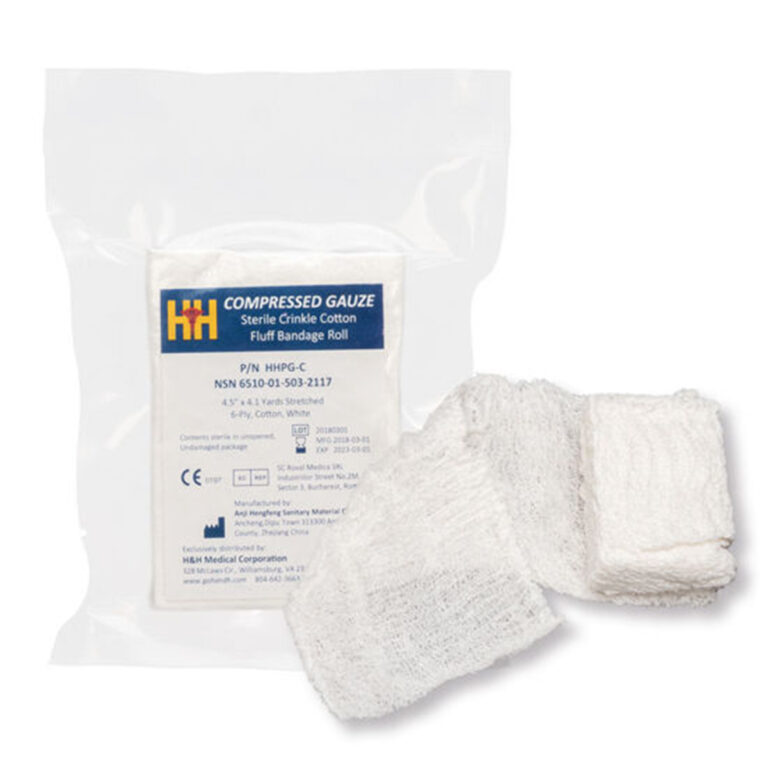
- Haemostatic agents for tamponade in the form of a hemostatic bandage – Krovospas, Celox, Combat Gauze, QuikClot, H&H Compressed Gauze PriMed, etc.
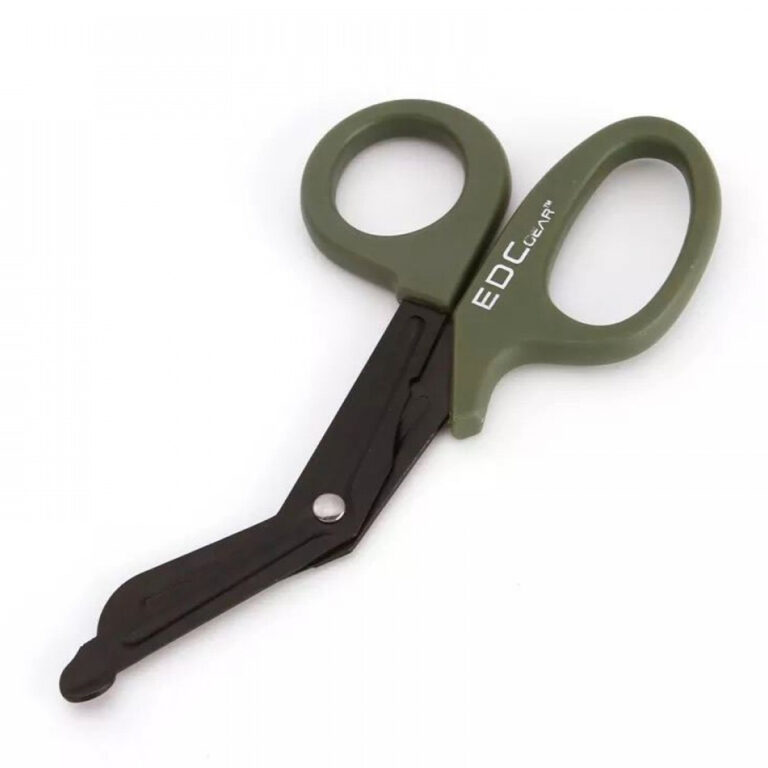
- Special tactical scissors/shears.