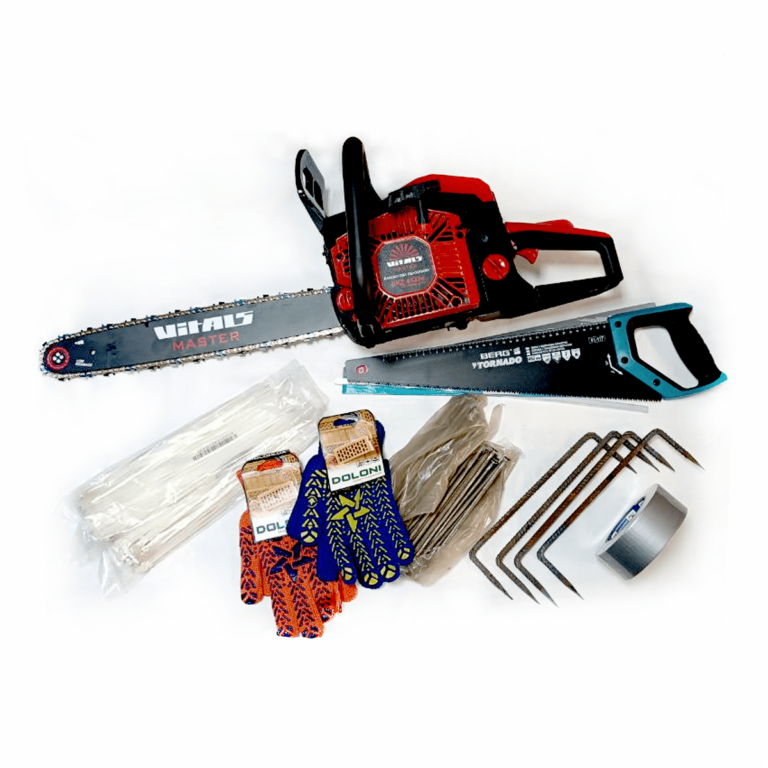
In modern warfare, where the enemy has a significant advantage in artillery, the only way to protect yourself from enemy fire is reliable cover. Unfortunately, there are no specially created shelters in most areas, so soldiers have to arrange them themselves.
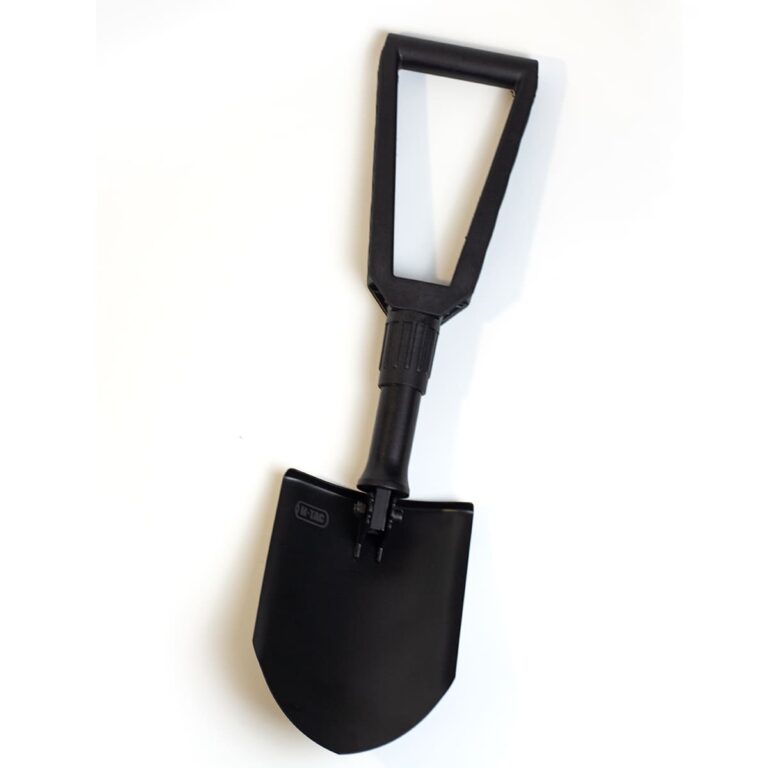
The primary work of digging a trench at a new position is usually performed by a soldier with a sapper shovel. Its small size allows you to dig in a sitting or lying position, thereby not exposing yourself to the additional danger of being hit by shrapnel or an enemy bullet.
After the trench is dug enough to stand in it at full height, work is carried out with an ordinary shovel. It is larger and more comfortable to work with, and with this tool, you can remove more ground at a time.
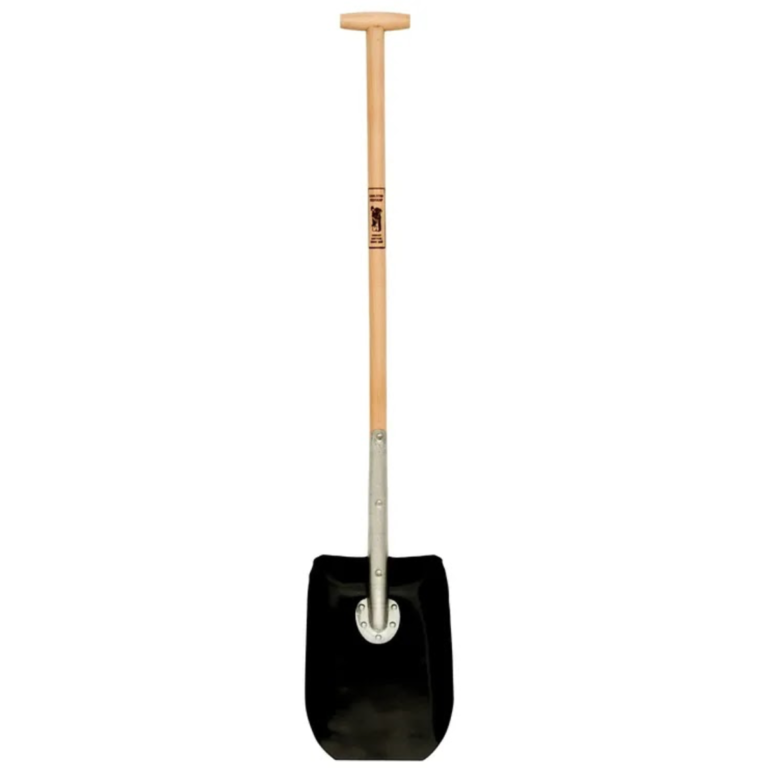
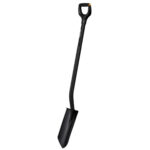
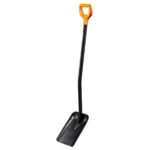
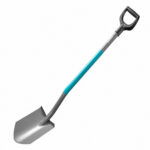
Shovels differ in their function, depending on the type of their blade (bucket):
- Shovels with very wide, usually plastic buckets are suitable only for snow. They are too fragile to work with the soil, and at the same time their buckets have too much volume.
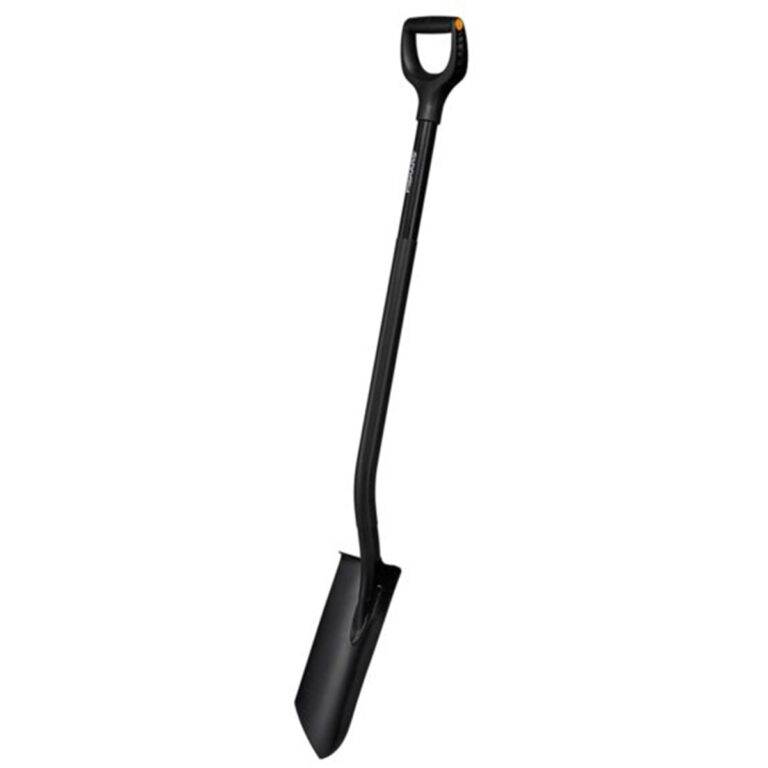
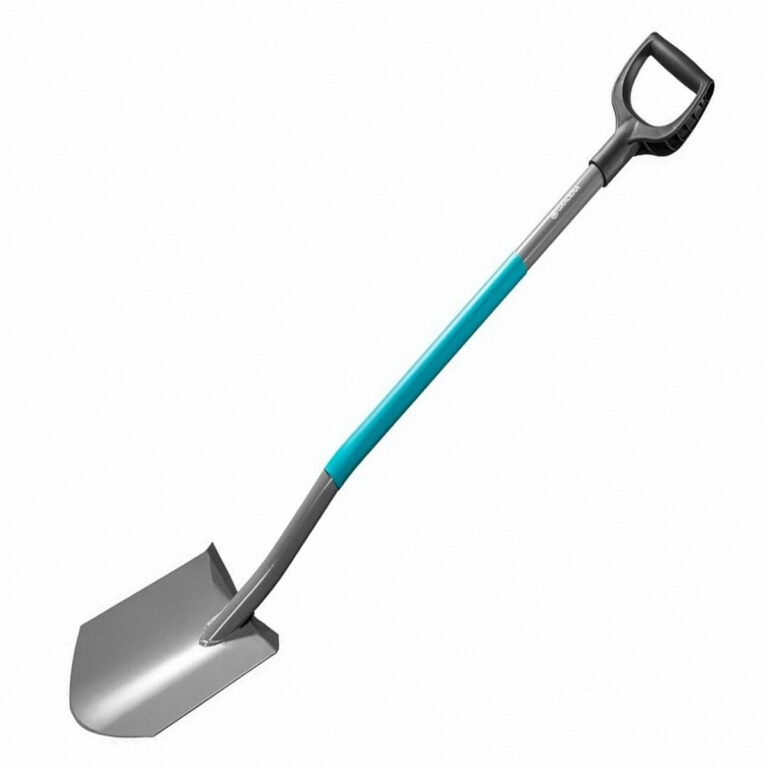
- Shovels with a leaf-shaped blade cut the soil well, but they allow you to discard relatively little ground at once. Therefore, it is better to use them on denser, clayey and moist soils.
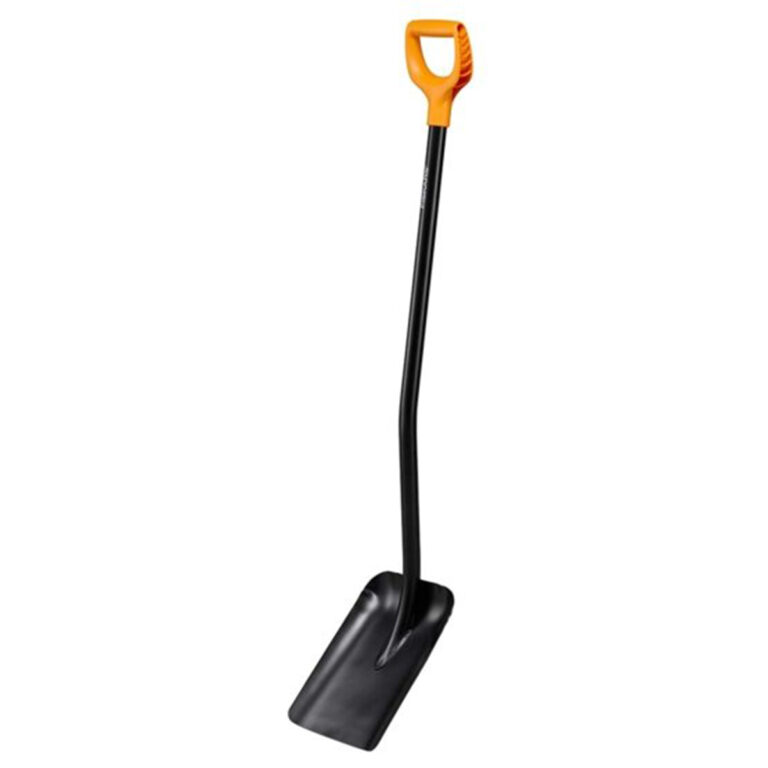
- Shovels with a square blade have a larger area, which makes it harder to cut into the soil, but on the other hand, they allow you to throw out a larger amount of soil at once. They are better suited for working in soft soil or for creating mounds of sand or already dug-up ground.
When choosing a shovel, you should not go to any extreme (take a shovel with a large or small blade, too light or too heavy). Instead, a compromise is preferable, or buy several different shovels if the unit can afford to use them.
It is important that the shovel is of good quality because it must withstand a constant, rather strong load. To evaluate the quality, consider the following parameters:
- The thicker the steel, the more dependable it usually is. But keep in mind that a shovel with a heavy blade is more difficult to work with, so you should not buy the heaviest one. A good way to check the quality of steel is to hit it with a piece of iron; shovels made of high-quality steel emit a resounding bell.
- The weakest point of most blades is the junction of the shaft and blade. The handle must be deeply inserted into the blade, and additionally fixed with bolts or a metal ring. In shovels with a metal handle, the blade is usually welded.
- All parts must be connected tightly, without play.
- There should be no knots or other defects in the wood part.
- The wood must be smooth to the touch, otherwise, the fighters will quickly rub (injure) their hands on it.
- A shovel does its job better when it is sharpened. If, by other parameters, a high-quality shovel is sold unsharpened, consider sharpening it before sending it to the military.
We recommend shovels of the following brands: Fiskars, Finland, Truper, CAT.